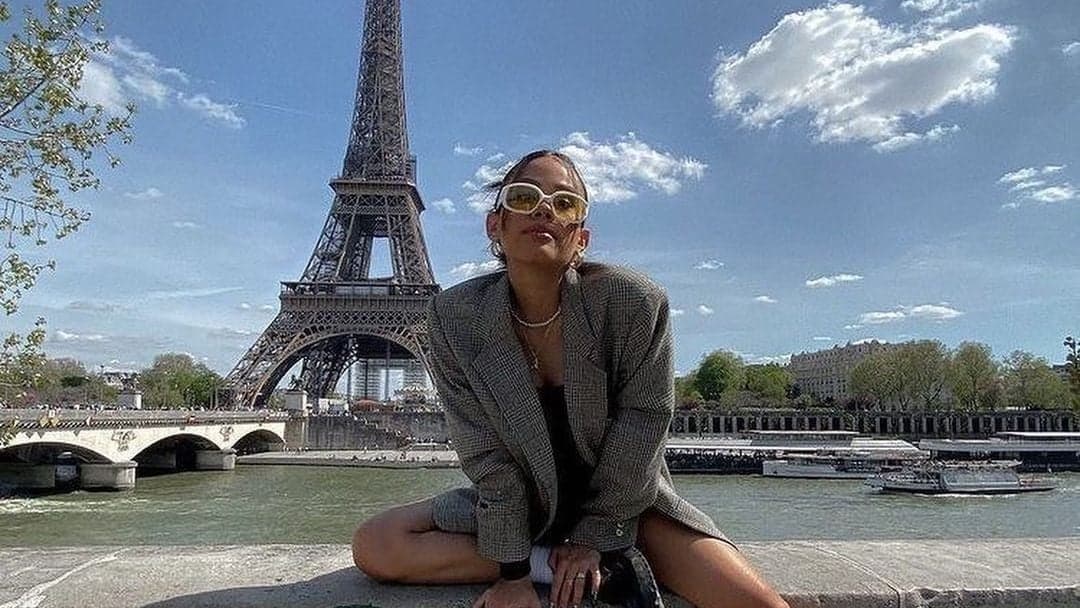
Light decides everything in photography, and no monument proves it like the Eiffel Tower. The same spot can feel flat at noon and absolutely magical at sunrise. As a local Paris photographer, here is exactly when I schedule my sessions, window by window, and what each moment of the day gives you.
When Is the Best Time to Shoot the Eiffel Tower?
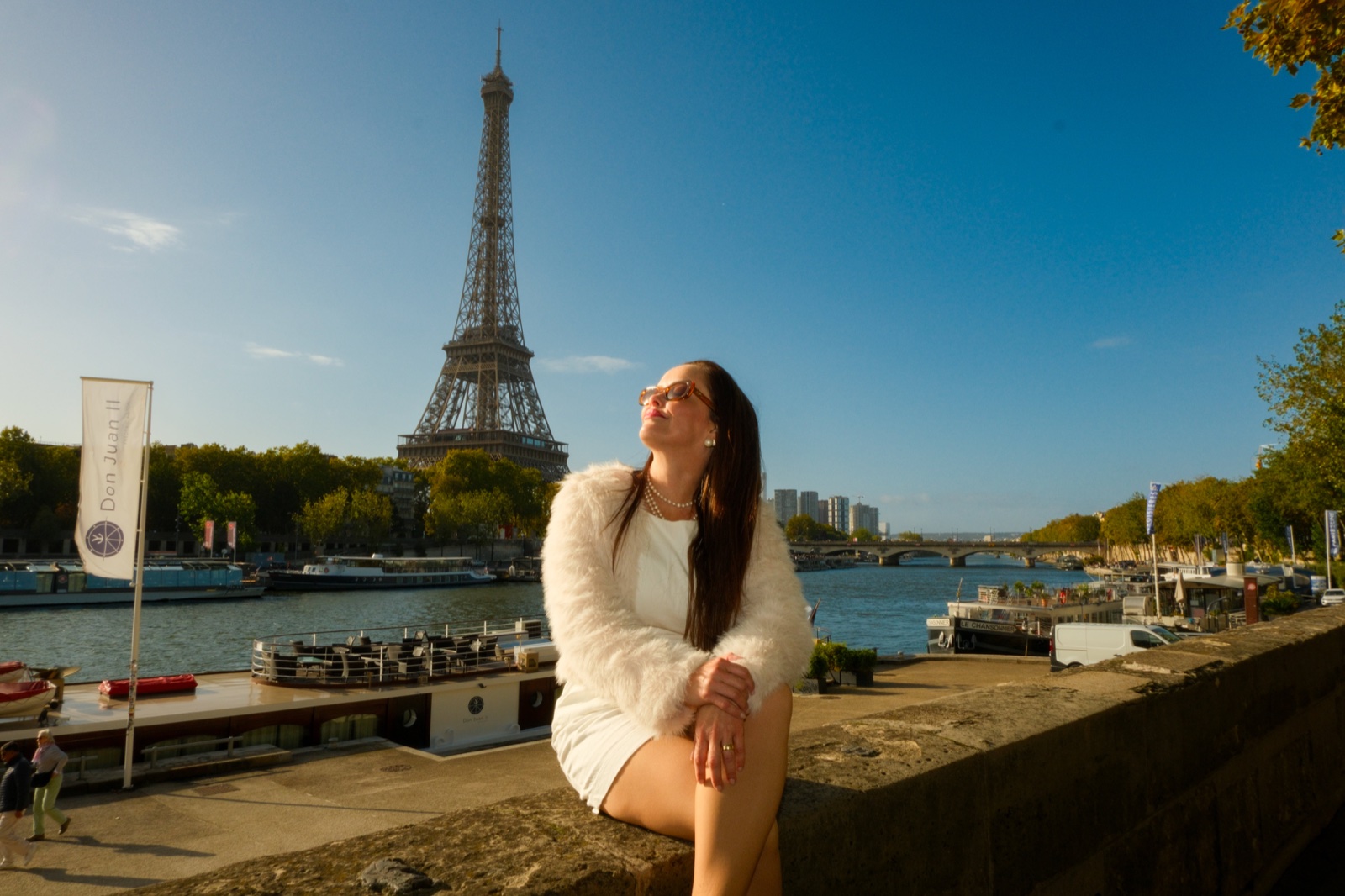
The best time to photograph the Eiffel Tower is the first hour after sunrise, when the light is warm, the Trocadero is nearly empty, and the iron glows softly. Blue hour, which starts right after sunset, is the second magic window, when the city lights switch on under a deep blue sky.
In short, the day offers four great windows:
- Sunrise: empty terraces, soft golden light, and total calm.
- Golden hour: warm tones and long, flattering shadows.
- Blue hour: a cinematic sky and glowing street lamps.
- After dark: the tower sparkles for five minutes every hour.
Before Sunrise: The Golden Window
I meet most of my clients about twenty minutes before the sun comes up. We start while the city is still waking, which means clean backgrounds, quiet streets, and that soft pink light photographers chase all year. By the time the first tour groups arrive, we already have the strongest images of the day.
This window is especially precious in summer, when the crowds grow fast. In winter, sunrise is later and kinder to your schedule, which makes the season surprisingly good for a relaxed session.
Golden Hour: Warm Light, Long Shadows
The last hour before sunset wraps the city in warm amber. The terraces are busier than at dawn, but the atmosphere is lively and the light is generous. It is a beautiful window for natural, candid walking shots along the Seine, like the ones in my Eiffel Tower album.
Blue Hour: Moody and Cinematic
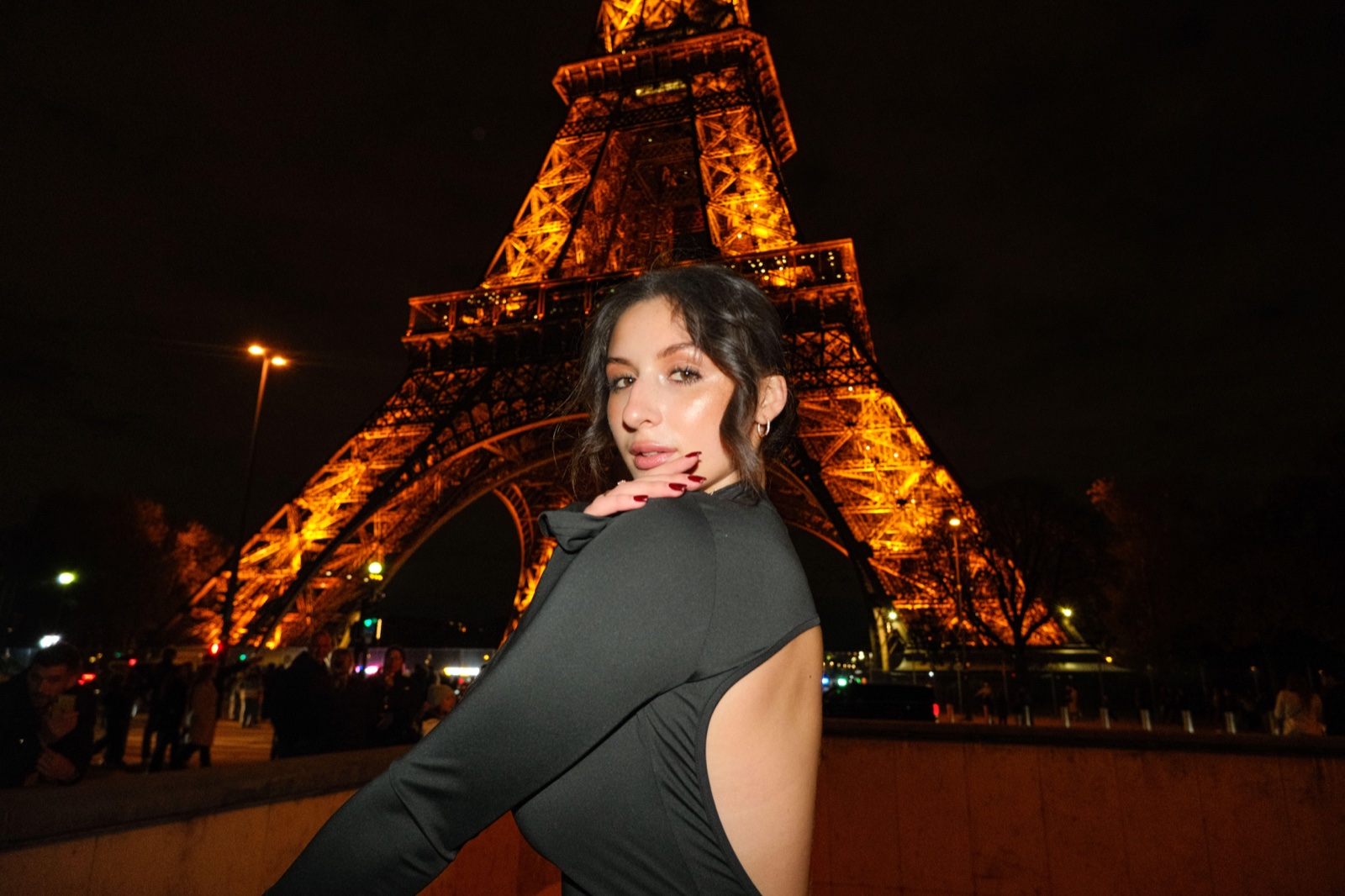
Right after sunset, the sky turns a deep, saturated blue and the monument lights come on. This short window lasts around twenty five minutes, and it produces the most cinematic images of the day. Evening sessions feel intimate, elegant, and a little more dressed up.
Once full darkness settles, the famous sparkles take over. They run for five minutes at the start of every hour, and they read beautifully on camera when we keep a little distance and let the whole silhouette fill the frame. I always build the evening route so we are standing in the right spot a few minutes early.
Which Times Should You Avoid?
The middle of the day is the hardest window. The overhead sun creates harsh shadows on faces, and the esplanades are at their busiest between late morning and late afternoon. If midday is your only option, we simply move to shaded streets and covered angles nearby, where the light stays soft.
Weekends and holiday periods deserve the same caution. Saturday afternoons in summer can turn the most famous viewpoints into a queue, while a Tuesday at dawn feels like a private city. If your travel dates are flexible, a weekday morning will always give you the calmest experience and the cleanest backgrounds.
The Best Viewpoints Beyond the Trocadero
The Trocadero is iconic, but it is far from the only angle. Pont de Bir-Hakeim gives you dramatic steel arches, Rue de l'Universite offers a quiet street view framed by Haussmann facades, and the Champ de Mars lawns work beautifully for picnics and family moments.
For a wider tour of my favorite locations, read my guide to the best photo spots in Paris. And when you are ready to plan your own morning or evening shoot, my article on how to prepare your Paris session walks you through every step.