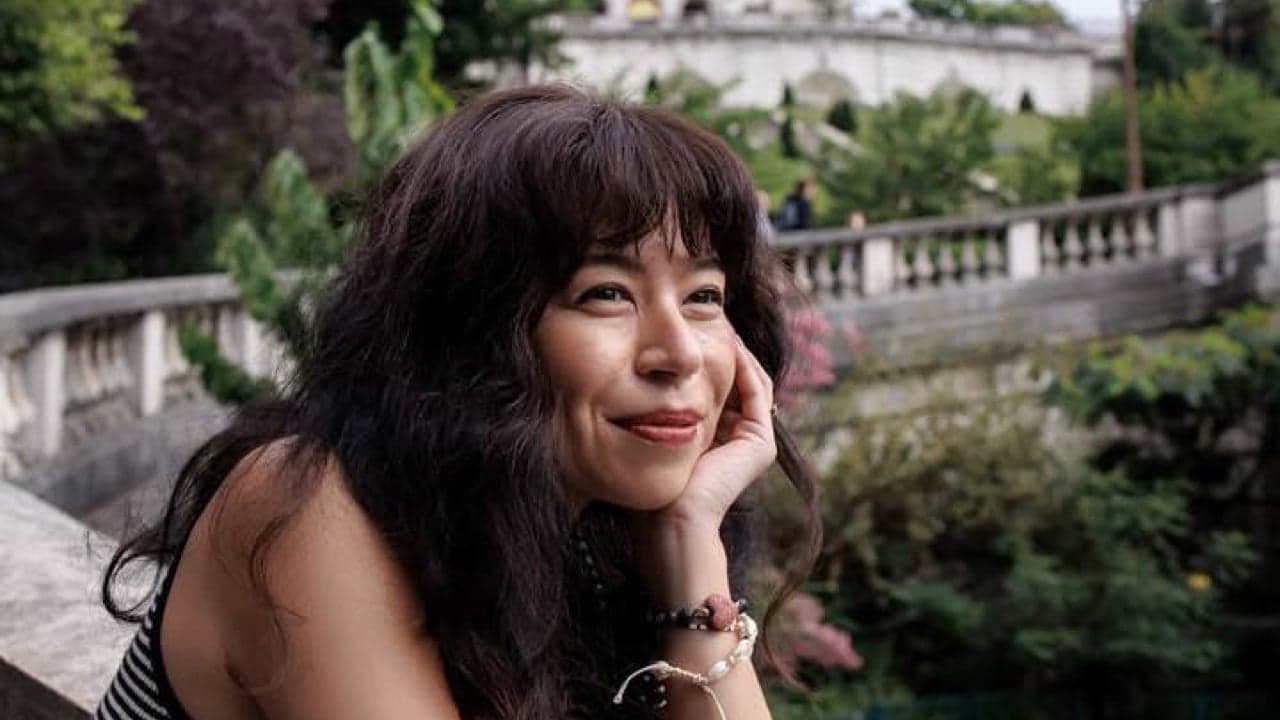
Montmartre does not look like the rest of Paris, and that is exactly why clients ask for it. A Montmartre photoshoot trades grand boulevards for cobbled lanes, ivy covered facades, staircases, and the white domes of the Sacre-Coeur floating above it all. Here is how I shoot the hill, as someone who knows it street by street.
What Makes a Montmartre Photoshoot Special?
A Montmartre photoshoot gives you the village side of Paris: intimate streets, painted shopfronts, vintage lampposts, and elevated views over the rooftops. It feels softer and more romantic than the monuments, which makes it perfect for couples, solo portraits, and anyone who wants images with character rather than postcards.
The hill also carries a story the camera loves. This is where the painters lived and worked, and the artist square still fills with easels every day. That bohemian texture shows up in the photos: hand painted signs, weathered shutters, and corners that have not changed in a century.
My favorite frames on the hill:
- The Sacre-Coeur steps, with the basilica rising behind you.
- Rue de l'Abreuvoir, the prettiest curve in Paris.
- The vine covered corners around the old vineyard.
- The rooftop views, layered all the way to the skyline.
- Cafe terraces on the quieter side streets.
When to Shoot: The Hill Has Its Own Rules
Montmartre wakes up late and fills up fast. Before nine in the morning, the lanes are nearly empty, the bakeries are opening, and the light slides softly between the buildings. By noon, the main spots are crowded. Early morning is non negotiable for clean frames, and the climb is also far more pleasant before the heat.
Weekdays beat weekends by a wide margin, and the seasons each bring something different. Spring softens the lanes with blossoms, summer gives long golden evenings on the steps, autumn turns the vineyard corners amber, and winter offers moody skies with the streets almost to yourself.
How I Build the Route
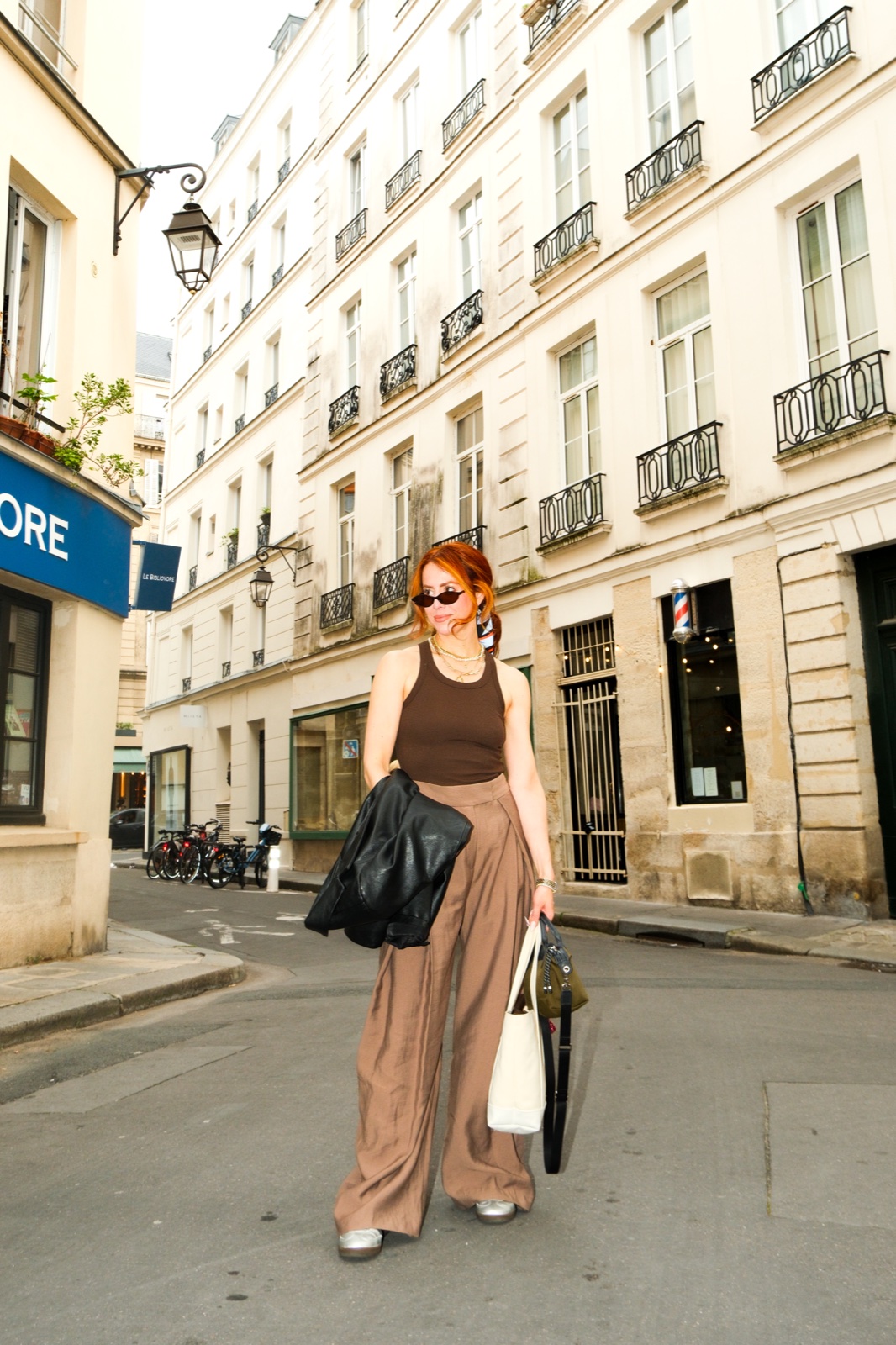
We usually start high, at the basilica and the viewpoints, while the morning light is at its best, then wander down through the lanes as the village wakes up. The slope does the creative work: staircases add depth, curves lead the eye, and every corner changes the backdrop completely. One hour on the hill gives your gallery more variety than three flat locations elsewhere.
Dress for the terrain as much as for the camera. The cobbles and stairs ask for shoes you trust, and a coat or dress that moves looks wonderful on the slopes. Heels can come in a tote bag for the key frames, a trick my clients use on every hilly session.
Pair It with the Icons
Montmartre photographs like its own little world, so many clients combine it with a second session at the classics. If you want both moods, read my guide to the best photo spots in Paris and the article on the best time to shoot at the Eiffel Tower, then we will build a plan that fits your days.
The practical combo works well in a single morning: we start on the hill at sunrise, shoot for an hour while it is quiet, then ride down to the Trocadero before the crowds arrive. Two completely different galleries, one relaxed morning, and the rest of your day stays free.
You can see the hill's mood inside my instagrammable Paris album. Send me your dates on WhatsApp, and I will meet you at the top with the route ready. Bring comfortable shoes, the stairs are part of the charm, and the view at the end earns every step.